If you’re exploring dentures for the first time or considering an upgrade, you’re probably wondering what are dentures made of. This question matters more than you might think. The materials used in your dentures directly impact how they feel, how long they last, and how natural they look.
Understanding denture materials helps you make informed decisions about your oral health. Different materials offer unique benefits, and what works best for one person might not be ideal for another. Let’s explore everything you need to know about denture materials in plain English.
Understanding What Dentures Are
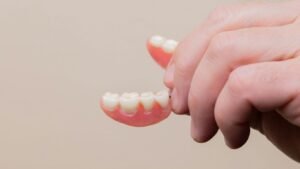
Dentures are removable replacements for missing teeth and surrounding tissues. Think of them as custom-made prosthetic devices designed to restore your smile and help you eat, speak, and feel confident again.
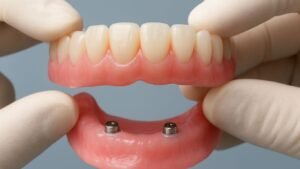
Modern dentures consist of two main parts. The base (or gum-colored portion) sits against your gums, while artificial teeth attach to this base. Both components use different materials, each chosen for specific reasons.
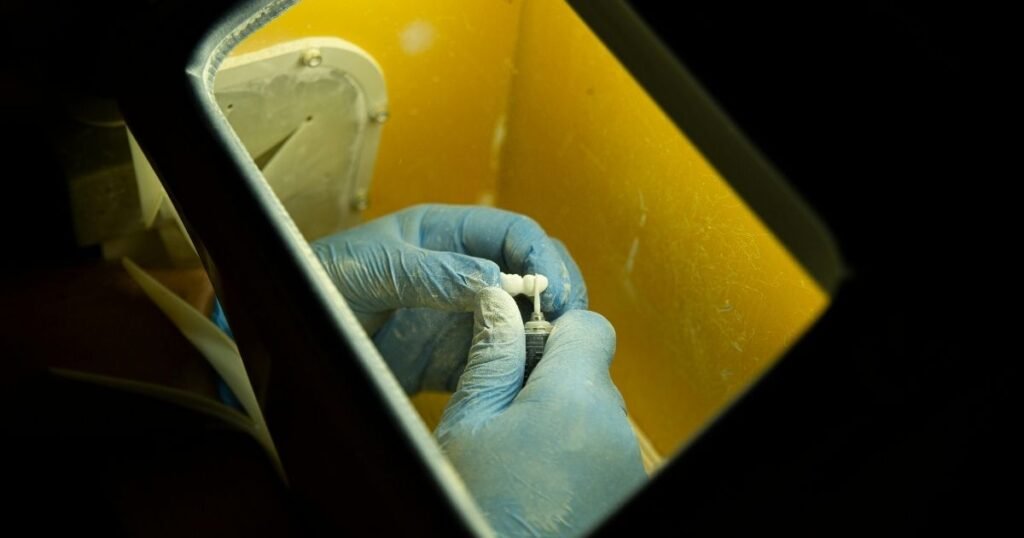
Your dentist creates dentures by taking detailed impressions of your mouth. This ensures a comfortable fit that looks natural and functions well for daily activities like eating and speaking.
Common Materials Used in Dentures
Acrylic Resin
Acrylic resin serves as the most popular material for denture bases today. This plastic-like material is lightweight, affordable, and easy to adjust. Most dentists can repair acrylic dentures quickly in their offices.
Acrylic comes in various shades to match your natural gum color. The material bonds well with artificial teeth, creating a secure connection that lasts for years with proper care.
Porcelain
Porcelain denture teeth offer exceptional durability and natural appearance. This ceramic material resists staining better than other options and maintains its color over time. Many people choose porcelain teeth because they look remarkably similar to natural tooth enamel.
However, porcelain costs more than acrylic alternatives. The material also requires more careful handling since it can chip if dropped on hard surfaces.
Flexible Nylon
Flexible dentures use thermoplastic nylon materials that bend and flex with your mouth movements. These denture base materials feel more comfortable than rigid options, especially for people with sensitive gums.
The flexibility helps distribute chewing pressure more evenly. This reduces sore spots that sometimes develop with traditional hard dentures. Flexible dentures also eliminate the need for metal clasps in partial dentures.
Cobalt-Chromium Metal Base
Some dentures feature metal frameworks made from cobalt-chromium alloys. This combination creates incredibly strong, thin bases that don’t break easily. Metal bases work especially well for partial dentures that need extra strength.
The metal framework allows for thinner construction while maintaining durability. This means more room for your tongue and more natural speech patterns.
Pros and Cons of Each Denture Material
Acrylic Resin Advantages:
- Most affordable option
- Easy to repair and adjust
- Lightweight and comfortable
- Available in many color options
Acrylic Resin Drawbacks:
- More porous than other materials
- May absorb odors and stains over time
- Less durable than porcelain or metal options
Porcelain Benefits:
- Extremely natural appearance
- Stain-resistant surface
- Long-lasting durability
- Maintains color over years of use
Porcelain Limitations:
- Higher cost than acrylic
- Can chip or crack if dropped
- Harder to repair than acrylic
- May cause more wear on opposing natural teeth
Flexible Nylon Strengths:
- Superior comfort for sensitive mouths
- No metal clasps needed
- Less likely to break from impact
- Better adaptation to mouth changes
Flexible Nylon Weaknesses:
- Higher initial cost
- Difficult to repair if damaged
- May require special cleaning products
- Not suitable for all denture types
Metal Base Advantages:
- Exceptional strength and durability
- Allows for thinner, more comfortable design
- Excellent for complex partial dentures
- Long-term cost-effectiveness
Metal Base Disadvantages:
- Most expensive option
- May cause allergic reactions in sensitive individuals
- Visible metal components in some designs
- Requires specialized repair techniques
How Denture Material Affects Comfort and Durability
The materials in your dentures directly influence daily comfort levels. Softer, more flexible materials typically feel better initially but may not last as long. Harder materials like porcelain provide durability but might require an adjustment period.
Acrylic dentures often need replacement every 5-7 years with normal wear. Porcelain and metal components can last 10-15 years or longer with proper care. Your eating habits, oral hygiene, and mouth changes affect longevity regardless of material choice.
Consider your lifestyle when evaluating denture materials. Active individuals might benefit from flexible options that resist breaking. People who prioritize appearance often prefer porcelain teeth despite the higher cost.
Which Denture Material Is Best for You?
The best denture material depends on several personal factors. Your budget plays a significant role, but don’t let cost be your only consideration. Think about your long-term comfort and satisfaction too.
Consider these questions when choosing denture materials:
- How important is natural appearance to you?
- Do you have sensitive gums or mouth tissues?
- Are you prone to dropping or mishandling small items?
- What’s your expected timeline for denture replacement?
People with active social lives often invest in porcelain teeth for confident smiling and speaking. Individuals with sensitive mouths frequently choose flexible base materials for all-day comfort.
Your dentist can recommend the most suitable combination based on your mouth structure, bite pattern, and personal preferences. Don’t hesitate to ask about mixing materials – many successful dentures combine different materials for optimal results.
Caring for Different Types of Dentures
Different denture materials require specific care approaches. Acrylic dentures need daily cleaning with non-abrasive cleansers to prevent scratching. Porcelain teeth handle regular brushing well but require careful handling during cleaning.
Flexible dentures often need special cleaning solutions designed for thermoplastic materials. Avoid using regular denture adhesives with flexible bases unless your dentist specifically recommends them.
Metal components resist corrosion but should be cleaned with appropriate products. Never use bleach-based cleaners on any denture materials, as they can cause discoloration and weakness.
Store all dentures in water or denture solution when not wearing them. This prevents warping and keeps the materials from drying out and cracking.
When to Ask Your Dentist About Material Options
Schedule a consultation with your dentist to discuss denture materials before making any decisions. They can examine your mouth, discuss your needs, and explain which materials work best for your situation.
Ask your dentist about material options if you’re experiencing comfort issues with current dentures. Sometimes switching materials can solve persistent problems like sore spots or loose fit.
Don’t wait until dentures break to explore material alternatives. Regular dental checkups provide opportunities to discuss upgrades or changes that might improve your denture experience.
Final Thoughts
Understanding what are dentures made of empowers you to make confident decisions about your oral health. Each material offers distinct advantages, and the best choice depends on your individual needs, lifestyle, and budget.
Acrylic resin provides affordability and easy maintenance, while porcelain offers superior aesthetics and durability. Flexible nylon materials prioritize comfort, and metal bases deliver exceptional strength for complex cases.
Remember that denture materials continue evolving with new technologies and improved formulations. What matters most is finding the combination that helps you eat, speak, and smile with confidence. Work closely with your dentist to explore all available options and choose materials that support your long-term oral health goals.
Your dentures represent a significant investment in your quality of life. Taking time to understand material choices ensures you get the best possible results from this important decision.